
Licensed & Insured · CGC1533024 · CCC1334177
Southwest Florida Gutter Repair
Sagging runs, leaking seams, hangers pulling out of the fascia, and sections knocked loose by storm wind. We find what actually failed, repair it, and tell you straight when a run is past repairing rather than selling you a fix that will not hold.
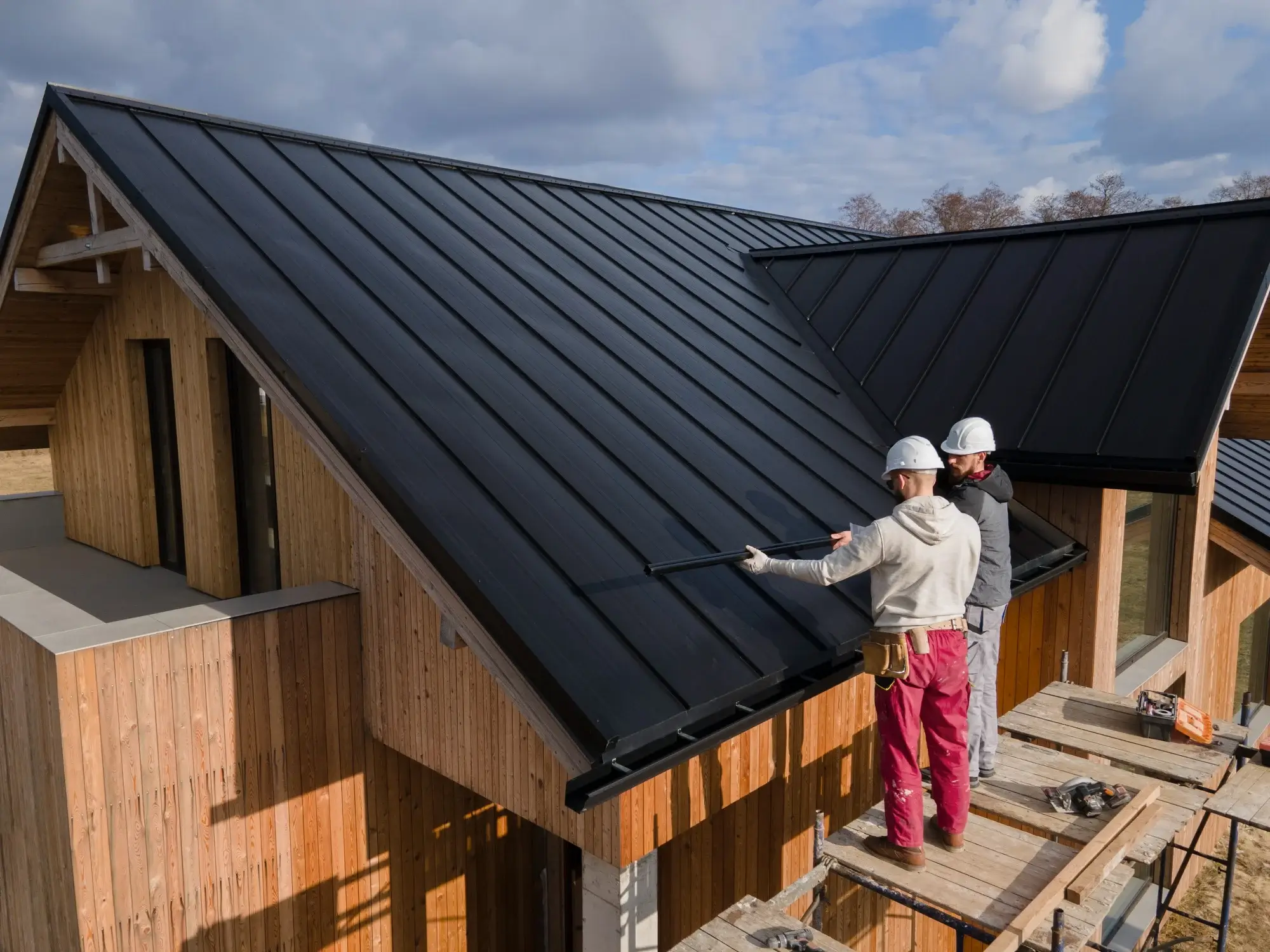
Factory-certified for every roofing material we work on






Why gutters fail here
Aluminum expands and contracts every day in this heat, and every cycle works the fasteners a little looser. Add the weight of a full run during a rainy season downpour and hangers begin to pull away from the board they are screwed into.
That board is usually the real problem. If water has been going over the back of a full gutter for a season or two, the fascia behind it has softened, and a hanger driven into soft wood will not hold whatever you do to the gutter itself.
Storm wind is the third cause. Sustained gusts get under a long run and lift it, which opens miters, separates outlets, and leaves sections hanging by two fasteners. After a named storm we see far more of this than we see actual holes in the aluminum.
If the runs hold their shape and the fascia is sound, repair is the cheaper and better answer. If hangers pull because the board is gone, the fascia gets fixed first. If the system is undersized for the roof, replacement solves a problem repairs never will. See gutter replacement.
Four failures we repair most often
What we repair
Most of these are half-day jobs when they are caught early, and full replacements when they are not.
Sagging runs lifted back to proper pitch and re-fastened at correct spacing, so water moves toward the outlet instead of pooling mid-run.
Corners, miters, and end caps stripped, cleaned, and resealed properly rather than smeared over with sealant on top of old failed sealant.
Elbows, straps, and outlets reattached or replaced, and the discharge point moved if it has been feeding water back toward the slab.
Bent, torn, or missing runs replaced and colour matched to the rest of the system, with documentation if it belongs on a claim.
Where the hanger has nothing sound to hold, we repair the board first. Covered in detail on our soffit and fascia repair page.
Corners take the most movement and fail first. We rebuild them rather than patching a joint that has already opened twice.
Extensions, splash blocks, and rerouted downspouts so the water leaves the property instead of collecting where you walk.
Lifted, crushed, or badly fitted guards refitted, or removed where they are trapping more debris than they keep out.
How a repair runs
We start by running water through the system, because a gutter tells you far more under flow than it does dry. Back-pitch, hairline seam leaks, and blocked outlets only show themselves when the run is loaded.
Then we look behind the gutter. More often than not the answer to why it failed is in the fascia and the drip edge, and repairing the aluminum without dealing with that puts you back in the same place next season.
You get photographs and a written quote covering both what failed and why, with anything optional marked as optional. Our crew does the work, and we test the system under flow again before we leave.
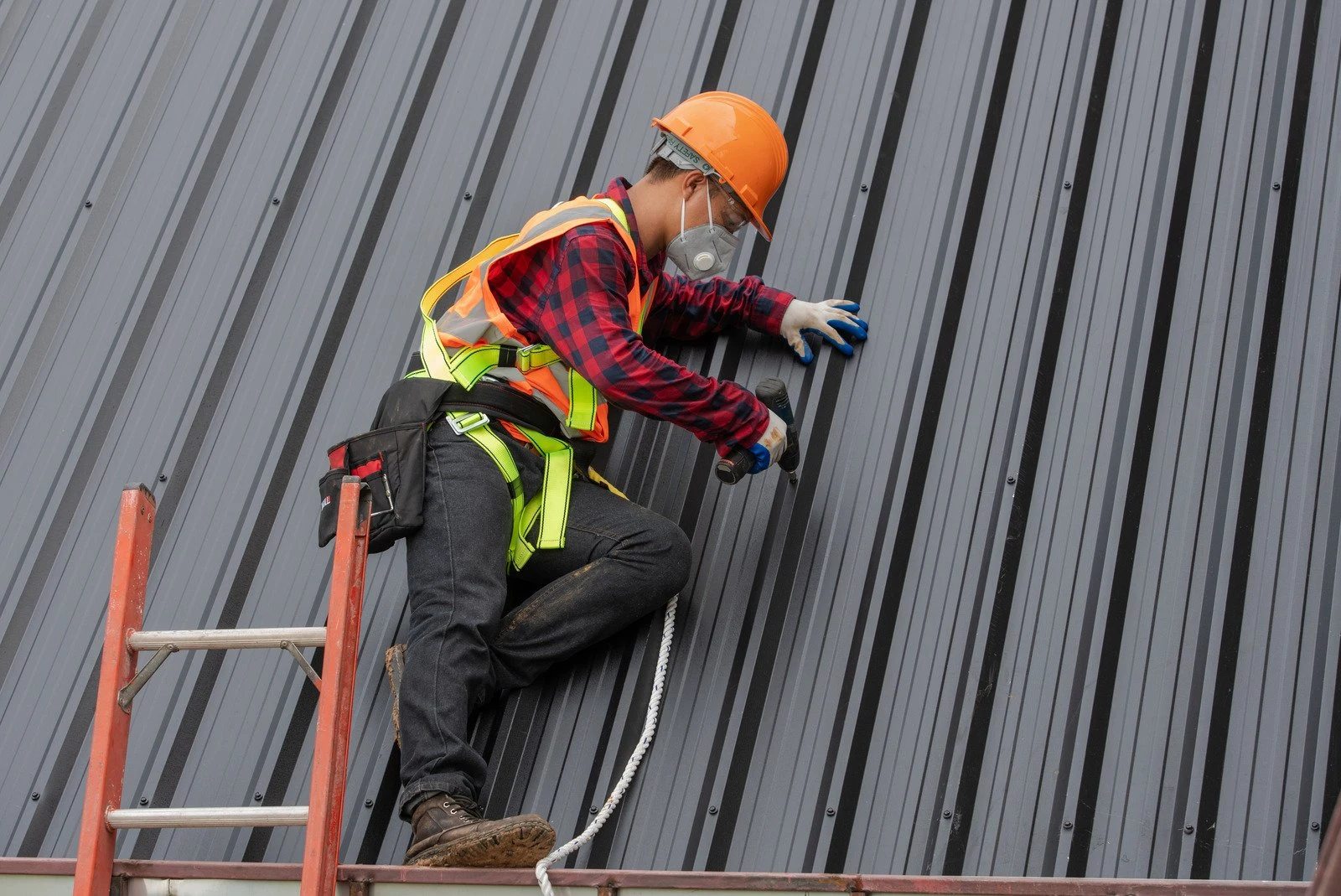

Who does the work
"A gutter that sags in the middle is telling you the fascia let go. You can lift it and screw it back a dozen times, but until you fix the board it comes down again."
Owner | Florida Roofing and Gutters | Licensed CGC1533024 | CCC1334177
Based in Fort Myers. In Southwest Florida for nearly 20 years. Factory-certified for every material we work on.
Gutter repair by city
Storm exposure and tree cover change what fails first. Pick your city for a page built around the homes in that area.
Free 12-point inspection
Every storm adds load to a run that is already loose. A free inspection tells you whether this is a repair or a replacement before the decision gets made for you.
What our customers say


Seams are repairable when the metal around them is sound. We strip the old sealant, clean the joint, and reseal it properly. Repeated failures at the same joint usually mean movement, which is a hanger problem.
The run is holding water it cannot drain, the hangers are too far apart, or the fascia behind it has softened. Usually more than one of the three. Correcting pitch without addressing the cause is temporary.
Often, as part of a wind or storm claim, particularly when there is roof damage alongside it. We photograph and document the damage so it is assessed on evidence. See storm damage.
If the metal holds shape and the fascia is sound, yes, and it costs a fraction of replacement. If the system is undersized or the runs are corroded through, repairs stop being economical.
Gutter repairs are usually scheduled within days rather than weeks. If water is entering the house or a run is hanging loose, tell us and we will treat it as urgent.
Ready to get started?
Tell us what the gutters are doing and we will schedule a look, or call now at 239-966-7663.