Can You Put a Metal Roof Over Shingles? Everything You Need to Know
Dec 01, 2025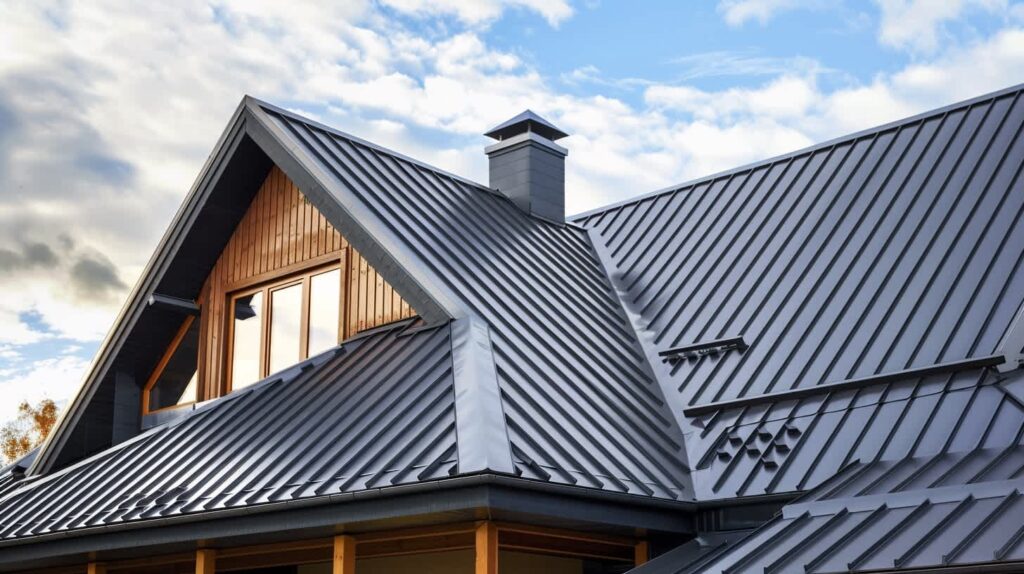
If you are considering replacing your home’s roof, you may be weighing your metal roofing options. While good, strong, energy-efficient, modern, and stylish, there has been an increasing demand for it when replacing dated asphalt shingles. But one query lots of homeowners ask is, Is it possible to put a metal roof over shingles?
It’s an obvious question, and the short answer is yes: In many cases, you can. But it’s not quite as simple as piling up materials on top of one another. Up above, we’ll go over what you need to know about this kind of installation, the pros, the cons, code factors, and how Florida Roofing and Gutters takes steps to just-do-it-right.
Key Takeaways
- Yes, you can put a metal roof over shingles in most cases, provided the existing roof structure is in good condition.
- Installing metal over shingles can save time and money by eliminating the need for a full tear-off.
- A proper inspection is essential to ensure the underlying shingles and decking can support the new roof.
- Professional installation, complete with a solid underlayment and furring strips, helps prevent moisture buildup and ensures proper ventilation.
Book Your FREE Inspection Today!
Metal Roof Over Shingles: Don’t Do it!
Before we dive into the small stuff, let’s start with the big question: can you put a metal roof over shingles?
The quick and easy answer is: yes, you can install a metal roof over shingles! This is known as a “roof-over” or a “re-roofing” and can save you time, labor, and costs for hauling and dumping the old material in a full tear-off. But whether it’s possible comes down to the condition of the existing roof, local building codes, and the material of the metal roofing system in question.
What Leads a Homeowner to Choose a Metal Roof-Over?
There are a few key points that lead homeowners who want a roof-over, and they can be summarized as follows:
Cost Efficiency
Plus, there’s labor and then more removal costs up there to take those shingles off. You don’t have to remove the over-shingles now, which leads to labor savings, landfill cost savings, and time savings. The potential to save on costs is huge; for that reason, it is one of the top choices for budget remodelling.
Time Savings
Roof-overs are often installed more quickly than full roof removals. Homeowners get to enjoy the comfort of their new roof and with less waiting and less loss of time with their busy lives.
Added Insulation and Noise Reduction
The extra layer of shingles beneath the metal panels serves as a backup and can silence the natural sounds of rain and hail. This can contribute to making your home more energy-efficient and comfortable.
Important Things to Know Before Installing New Metal Over Shingles
So, does all this mean you can put metal roofing over shingles? It is almost always a yes, there are some very important exceptions, and a bit of a hard no (even if you finish with ayes–yess, that doesn’t make any sense.
Roof Deck Structural Integrity
You need to inspect your roof twice a year to avoid roof damage. If it’s compromised with rot, or mold, or water damage, well, it’s not going to be holding the extra weight of a metal roof. One of our Florida Roofing and Gutters Roofing Installers can come out and inspect your roof system to see if it is a match for us.
Local Restrictions or HOA Regulations
Some local codes limit the number of layers of shingles your roof is allowed to have to two. Just be sure to check on these rules anywhere before you try to craft.
Shingle Condition
You don’t have to have a perfect set of shingles, but they should not be too lumpy and should not show any curling or buckling. Shingle surface imperfections may be telegraphed to the metal panels with an effect on aesthetics, and may also be presumed to result in an accelerated wearing-through of the metal panels.
Moisture and Ventilation Issues
Moisture can become trapped between layers of a roof, leading to mold, mildew, or even wood rot. And that is why adequate ventilation and underlayment are so essential. Florida Roofing and Gutters follows industry best practices to ensure that your roof can breathe and dry out.
Metal Roof-over Models: Varieties of Metal Roof Choices for Roof-Overs
Not all metal roofing is equally installed over shingles. I’m listing the two most popular here:
Standing Seam Metal Roof
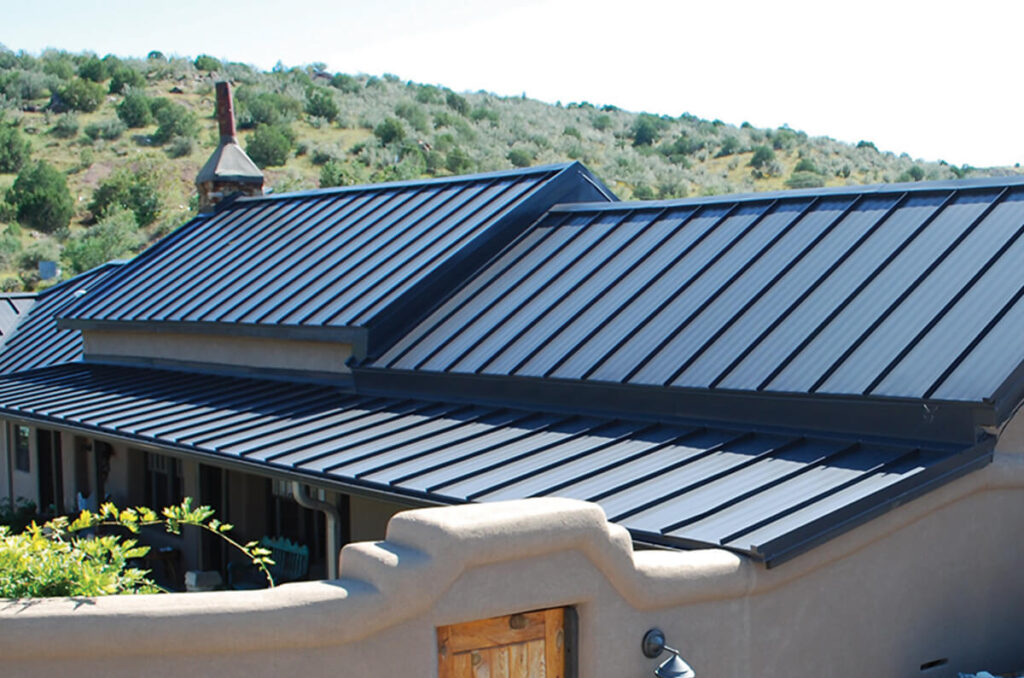
This model features locking vertical profiles and high-quality material for durability and weather protection. Standing seam is perfect for roof-overs, since it penetrates the old roof deck less than other materials.
Metal Shingles
Metal shingles are designed to look like stone, slate, or wood shake, and are very elegant while being relatively lightweight. They can also be installed on top of an asphalt shingle roof as long as furring strips or battens are used to create a level over an uneven surfaced roof.
Why You Should Choose Florida Roofing and Gutters for Dallas-Fort Worth Metal Roof-Overs
Florida Roofing and Gutters does not believe in “one size fits all” roofing. We believe in slowing down to evaluate the entire project, do quality work, and give you a roof that will last.
Here’s what sets us apart:
Free, No-Obligation Roof Evaluation
The work begins with a close look. Because you’re healthy, our trained experts will inspect your health. It is a few to renew the initial shingle roof with another.
Code-Compliant Work
We strictly follow Florida Building Codes and permitting to the letter, so you can have peace of mind that your metal roof will be as safe and secure as it is legally required.
Premium Materials
Our premium metal roofs are resistant to rust, wind, and our coated steel roofing is coated with an aluminum-sinc alloy designed to reflect the ultraviolet rays. Lots of our goods are covered by at least 40-year warranties.
Precision Installation
Our factory-trained crew is trained at having skill in doing the roof-over process. We add underlayment and furring strips for a vapor barrier, leveling of the shingle base, and a secure surface for the roof to attach.
Transparent Communication
We will be with you every step of the way, from the initial free estimate to the final cleanup, and we are always happy to answer your questions, like “Can you put a metal roof over shingles?”
Are There Any Cons of Installing a Metal Roof Over Shingles?
Yes, but marginalized if you can land on the right contractor:
You Don’t See Underlying Issues: If you are a homeowner looking to save money, it’s obvious to think that re-roofing over the old roof would save you money. Hidden structural problems, such as bad decking or mold, won’t be visible to you.
Weight Metal is lightweight, but multiple layers of a roof can be, well, heavy, especially for an older home.
Nothing rubbed through the metal—pendants were loose and shorting due to the gutters not hanging correctly (they had fallen backwards), and poor installation was determined to be the cause.
Florida Roofing and Gutters will manage these risks through close examination, materials of the highest quality, and adherence to procedure.
Maintenance and Longevity
A properly installed metal roof-over will last 40 to 70 years, depending on the metal used. Metal withstands the various elements, such as sun, wind, rain, and hail, over time better than asphalt shingles. It’s also low maintenance, especially when you have it done by the experts at Florida Roofing and Gutters.
To maintain your investment:
- Keep gutters clear of debris.
- Trim off branches for anything that might scrape on the metal finish.
- Get an annual inspection, especially after a storm.
Book Your FREE Inspection Today!
So, Can You Have A Metal Roof Over Shingles?
Well, here’s the short answer: You can indeed install a metal roof over shingles. But … you shouldn’t just throw it on the old shingles in a throw-it-on-top kind of way. It needs an expert’s evaluation, considering the wetting sources & mitigation, and code compliance factors.
Either you’re getting an unbeatable bargain in terms of time, money, and hassle saved (not to mention decades of hassle down the road combined with the unique look of a metal roof, or you’re not.
Want to Re-Roof with Confidence?
So, if you are still wondering “can you put a metal roof over shingles?” — walk through everything with Florida Roofing and Gutters and we will explain it to you straight with a no-obligation free inspection to assure you know all the facts.
We’ve worked with hundreds of Florida homeowners, bringing them to premium metal roofing with no stress. Whether you just need a new roof after a storm or need to invest in your home for long-term value, our team will guide you through it all.
Contact Florida Roofing and Gutters now for your free quote and find out why we are the foremost consultants for Florida Metal Roofing!
Book Your FREE Inspection Today!
Frequently Asked Questions
1. Can you put a metal roof over shingles?
Yes. In many cases, a metal roof can be installed directly over asphalt shingles. This process is called a “roof-over” and can be both cost-effective and efficient when done by qualified professionals.
2. Is it safe to install a metal roof over shingles?
Absolutely—if the existing shingles are in decent shape and the roof structure is sound. A professional roofer will inspect for rot, moisture damage, or weak decking before installation.
3. What are the benefits of putting a metal roof over shingles?
Installing metal over shingles reduces labor and disposal costs, provides an extra layer of insulation, and minimizes waste. It also offers superior durability and energy efficiency compared to asphalt.
4. Will a metal roof trap heat or moisture over shingles?
Not if installed correctly. Contractors use furring strips or a vented underlayment to create an air gap that allows proper ventilation and prevents moisture buildup.
5. Do you need to remove shingles before installing a metal roof?
In some cases, yes—especially if your shingles are severely damaged, curled, or layered multiple times. A certified contractor will determine whether removal is necessary.
6. How long does it take to install a metal roof over shingles?
Most installations take 2–4 days, depending on the roof size and complexity. Since there’s no tear-off, the process is faster than a complete replacement.