Do Metal Roofs Attract Lightning? Here’s What Science Says
Dec 29, 2025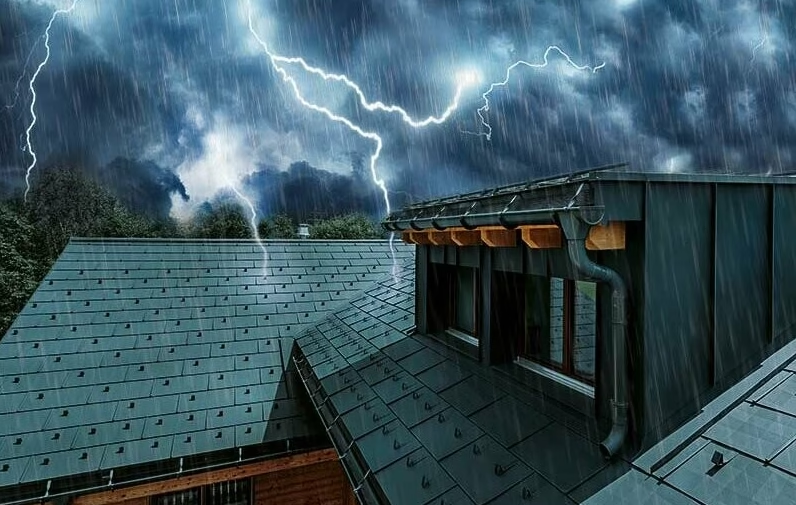
Homeowners seeking safety and durability will find that metal roofing offers surprising protection during storms. Many people wonder, do metal roofs attract lightning? The answer lies in understanding simple physics rather than fear. You can rest easy knowing your home stays safe regardless of the material covering it.
Key Takeaways
- Lightning strikes depend on height and location, not roofing material
- Metal roofs conduct electricity but do not attract lightning
- Proper grounding safely disperses lightning energy into the ground
- Metal roofing reduces fire risk during electrical storms
- Science debunks common myths about metal roof safety and noise
Book Your FREE Inspection Today!
The Science Behind Lightning Strikes
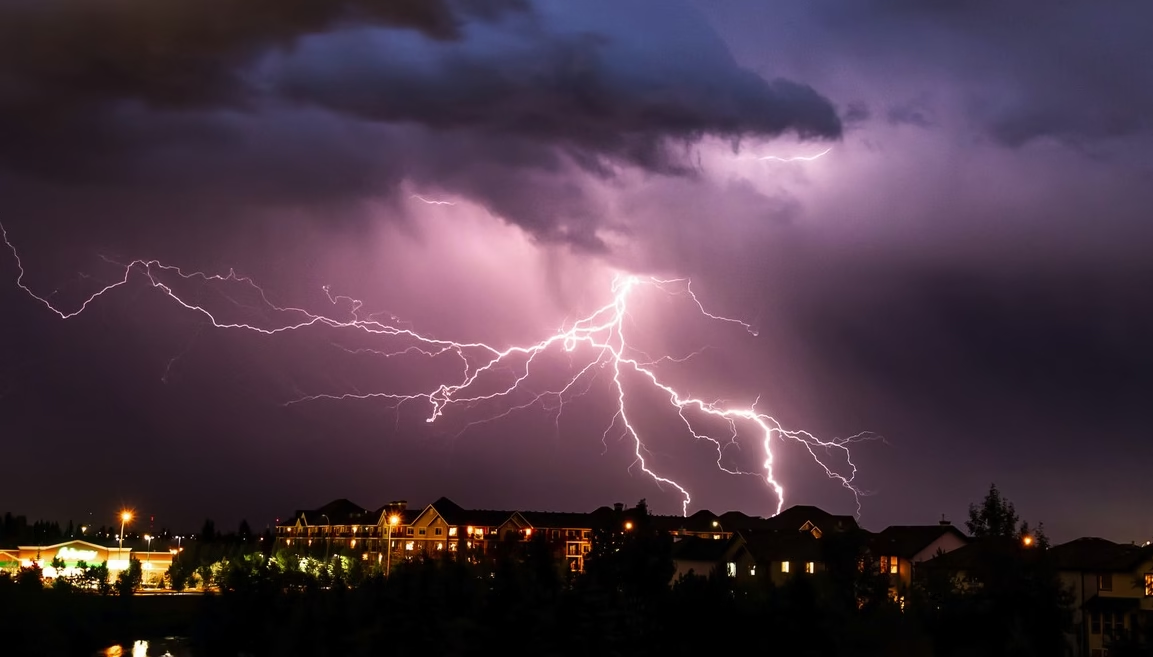
Lightning seeks the fastest path to the ground. It looks for tall objects. It looks for isolated objects. The material of the object matters far less than its height. A tall oak tree attracts a strike more often than a low metal shed.
Storm clouds build up massive electrical charges. These charges must connect with the ground to release energy. The connection point is usually the highest thing in the area. Your roof simply sits in the way sometimes. It does not send out a signal to the storm. The bolt will strike whatever gets it to the earth fastest.
This is the most important rule of lightning behavior. Location dictates the strike zone more than anything else.
Do Metal Roofs Attract Lightning or Not?
Science tells us that metal conducts electricity. It does not attract it. This is a vital distinction for homeowners. A metal roof has no greater chance of a lightning strike than a roof made of asphalt shingles. The lightning bolt targets the location. It targets height. It ignores the composition of your roof tiles.
Metal does not carry an electric charge that pulls bolts from the sky. It simply exists as a barrier on top of your house. We can look at skyscrapers for proof. They have metal frames. They get hit because they are tall. They do not get hit because they are made of metal. Physics confirms that your home remains safe.
Factors That Actually Attract Lightning
You need to know what actually draws a lightning bolt to a specific spot. The factors relate to the environment around your home rather than construction materials.
1. Height
Tall structures provide a shortcut for the electrical charge. A house on a hill faces more risk than a house in a valley. The distance to the cloud is shorter.
2. Isolation
A lone building in a field stands out in the storm. It becomes the only path for the energy to travel. Crowded neighborhoods share the risk among many structures.
3. Surface Area
Large buildings cover more ground. This increases the slight mathematical chance of a strike occurring on that specific footprint. A smaller roof presents a smaller target.
4. Topography
Features like mountains or ridges can channel storms. Homes in these areas see more frequent lightning activity naturally. Geography plays a bigger role than hardware.
How Metal Roofs Handle Electricity
People confuse conduction with attraction. Metal conducts electricity very well. This allows the current to move easily. That is actually a good thing during a storm. If lightning strikes a metal roof, the energy spreads out. It dissipates quickly. The metal provides a path of least resistance.
This path guides the dangerous energy safely to the ground. Poor conductors like wood or asphalt trap the heat. This trapping of heat causes fires. A metal roof allows the bolt to pass without building up intense heat in one spot. This process protects the structure beneath the roof. It keeps the energy from jumping into your living space.
Proper Grounding and Installation
Installation plays a huge role in safety. A professional installer ensures your home has a proper grounding system. This system connects the roof to the earth. It gives the electricity a safe exit route. You do not need a lightning rod in most residential areas. The building codes already require safety measures for electrical wiring.
The metal roof itself acts as part of a protective shield. It functions like a Faraday cage. This cage directs energy around the outside of the house. Residents inside stay safe from the current. You should always ask your contractor, “do metal roofs attract lightning?” and will it affect the specific installation plan.
Safety Benefits of Metal Roofing
Metal roofing provides several safety advantages that go beyond just lightning protection. These benefits make it a superior choice for storm safety.
1. Fire Resistance
Metal is a non-combustible material. It will not ignite from a lightning strike or a stray spark. This keeps your family safe from roof fires.
2. Durability
These roofs withstand high winds. They also resist heavy impacts from hail or falling branches. The panels stay locked in place during hurricanes.
3. Energy Dispersion
The conductive nature of metal spreads the impact of a strike. This prevents structural damage to the roof deck. The force does not concentrate in one place.
4. Longevity
Metal lasts much longer than traditional materials. You will not need to replace it as often after severe weather seasons. It stands the test of time.
Book Your FREE Inspection Today!
Comparing Metal to Other Materials
Compare metal to other common building materials. Asphalt shingles are made of petroleum products. They can burn easily if a bolt gets too hot. Wood shakes are even more flammable. They present a high risk during electrical storms. Concrete tiles can shatter from the explosive force of a lightning strike.
Metal behaves differently. It handles the shock without catching fire. It handles the force without breaking apart.
Many people ask, “do metal roofs attract lightning” more than these other types? The answer remains no. The risk is the same for all materials. The outcome of a strike is much better with metal.
Debunking Other Roofing Myths
Homeowners often believe other incorrect ideas about metal roofs that need correction. These myths often stop people from making a great investment.
1. Noise Levels
Modern insulation blocks out the sound of rain. It is often quieter than an asphalt roof. You will sleep soundly during storms.
2. Rust Problems
New protective coatings stop rust completely. Galvalume steel stays shiny and strong for decades. The finish looks new for a long time.
3. Dent Risks
Textured metal hides minor dents. High-quality steel resists hail damage better than most people expect. Your roof maintains its curb appeal.
4. Heat Retention
Metal reflects the sun. It keeps your attic cooler in the summer compared to dark asphalt.
Conclusion
The science is clear. You can choose metal roofing with total confidence. It offers superior protection against fire and lasts for decades. It looks great in any home. If you need help installing metal roofs, Florida Roofing and Gutters is just a phone call away.
Do not let old myths dictate your home improvement decisions. Upgrade your home with a durable metal roof today. You will stop worrying about “do metal roofs attract lightning” and start enjoying a safer home. Contact Florida Roofing and Gutters today!
Book Your FREE Inspection Today!
Frequently Asked Questions
1. Does a metal roof increase the chance of a lightning strike?
No. Lightning strikes depend on height and location. The material of the roof does not influence where the bolt lands.
2. Is a metal roof louder when it rains?
No. Solid sheathing and attic insulation absorb the sound. It sounds very similar to a standard asphalt roof.
3. Will a metal roof interfere with my cell phone reception?
No. You likely use your phone in metal buildings often. Service issues usually stem from tower distance.
4. Does a metal roof make my house hotter?
No. Metal reflects solar radiant heat. This can actually reduce your cooling costs during the summer.
5. Can I walk on a metal roof?
Yes. You must wear soft-soled shoes. You should also walk on the flat areas to avoid damage.